


Automatic Tilting Gate
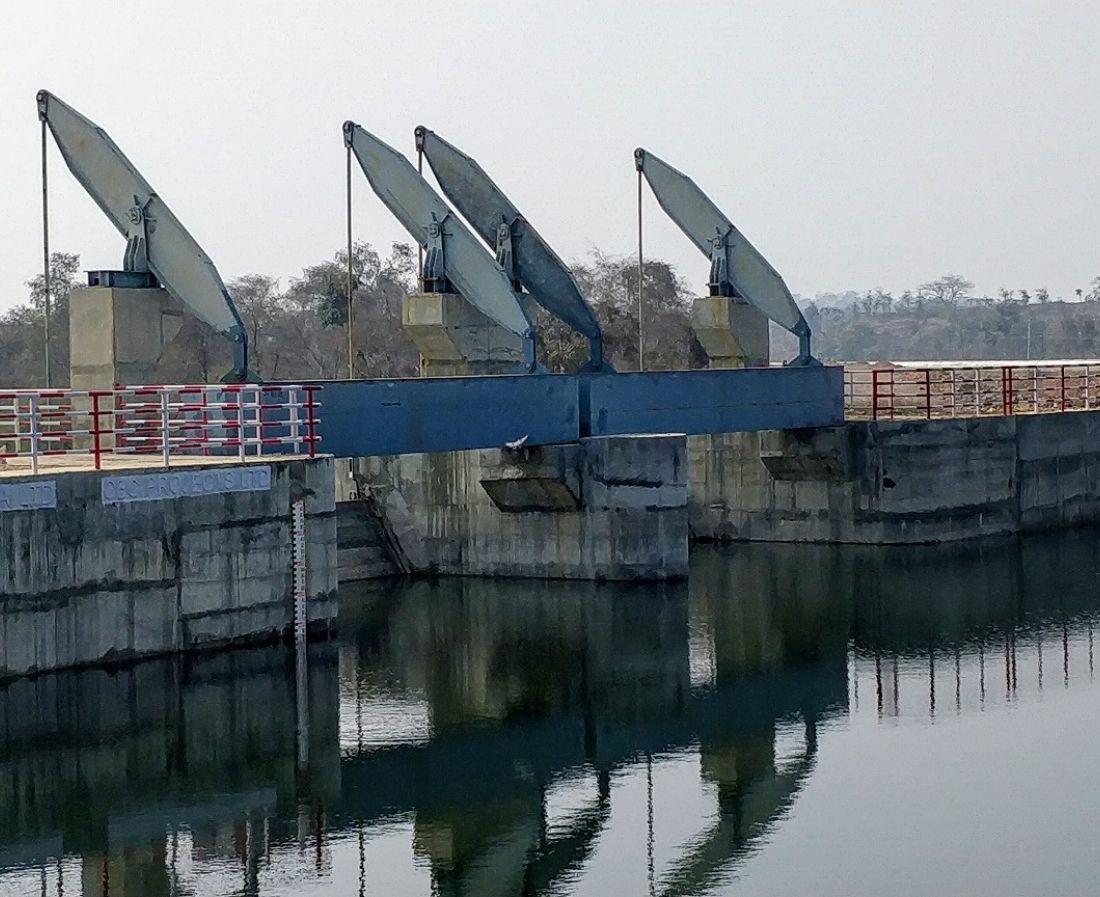
An Automatic Tilting Gate is a self-operating gate designed to control water levels automatically without manual intervention or external power.
It operates on the principle of hydrostatic balance, where the gate tilts about its pivot axis depending on the upstream water level. These gates are widely used in irrigation, flood control, and water management structures.
Working Principle:
The gate is hinged at the bottom or side and remains normally closed under normal water conditions. When the upstream water level rises above a pre-set height, the water pressure creates an unbalanced force that causes the gate to tilt automatically, allowing excess water to flow downstream. As the level falls, the gate returns to its closed position under its own weight or with the help of counterweights.

Main Components
- Gate Leaf: The main steel structure that retains and releases water.
- Hinge or Pivot System: Allows controlled tilting movement of the gate.
- Counterweight Mechanism: Assists in automatic closing when the water level reduces.
- Sealing Arrangement: Rubber or neoprene seals to ensure watertight closure.
Advantages
- Fully automatic operation without electrical or hydraulic systems.
- Minimal maintenance.
- Reliable water level control and flood management.
- Energy-efficient and cost-effective solution.
- Suitable for remote or unattended locations.
Applications
- Irrigation canal regulation structures
- Flood control and diversion weirs
- Reservoir and pond level control
- Automatic overflow systems
Design Considerations
- Upstream and downstream water levels
- Gate weight and counterbalance ratio
- Structural strength and corrosion protection



